
Grand Riviera Theatre
The Grand Riviera is a representative example of a large neighborhood moving picture theatre of the mid-1920s. The octagonal corner entrance tower is a distinctive feature of the exterior, and the "atmospheric," or outdoor effect of the auditorium, a popular novelty of the period, is a freely romanticized representation of a Mediterranean garden.


Orchestra Hall
Orchestra Hall resembles the typical theatre of its day, with a restrained and elegant adaptation of Renaissance style that preceded the exuberant eclecticism of the next decade. It was designed with emphasis on concert requirements, but was fully equipped also for use as a motion-picture theatre. Its appearance and superb acoustics reflect the ability of C. Howard Crane, a Detroit architect who became one of the most notable national and international architects of the "Movie Palace." Crane's Orchestra Hall, Detroit's first true concert hall, was considered to be one of the finest in the country. Built originally to obtain the services of Ossip Gabrilowitsch as permanent conductor of the Detroit Symphony Orchestra, during his tenure the hall was the scene of performances by many renowned artists. Later, as the Paradise Theatre, it offered outstanding concert jazz. It was the beneficiary of a successful community-wide historic preservation effort that began in 1970.
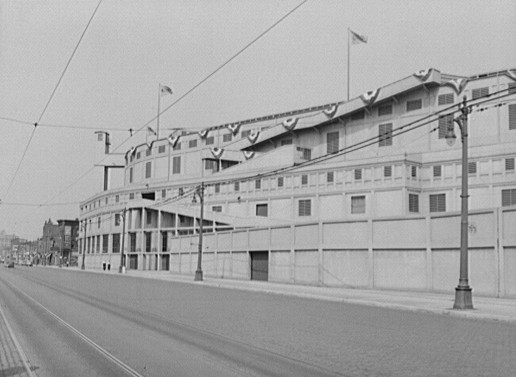

Detroit vs. Cleveland ball game at Briggs Stadium

Detroit vs. Cleveland ball game at Briggs Stadium

Detroit vs. Cleveland ball game at Briggs Stadium

Cadillac Square

Cadillac Square

Family

Paperboy

Watering plants
Alabama
Alaska
Arizona
Arkansas
California
Colorado
Connecticut
Delaware
Florida
Georgia
Hawaii
Idaho
Illinois
Indiana
Iowa
Kansas
Kentucky
Louisiana
Maine
Maryland
Massachusetts
Michigan
Minnesota
Mississippi
Missouri
Montana
Nebraska
Nevada
New
Hampshire
New
Jersey
New
Mexico
New
York
North
Carolina
North
Dakota
Ohio
Oklahoma
Oregon
Pennsylvania
Rhode
Island
South
Carolina
South
Dakota
Tennessee
Texas
Utah
Vermont
Virginia
Washington
West
Virginia
Wisconsin
Wyoming
Washington
D.C.
Home